Meet the experienced therapists behind our care. A friendly, skilled team dedicated to supporting your wellbeing with personalised, compassionate treatment.
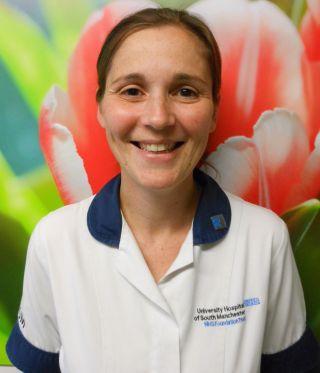
Laura – Transplant Physio
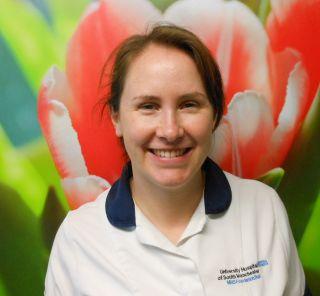
Ruth – Transplant Physio
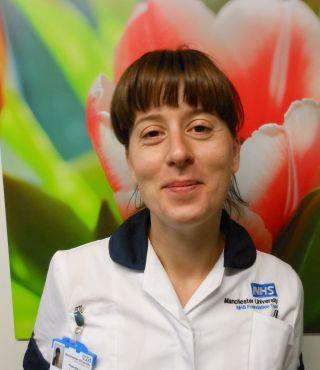
Gail – Transplant Physio
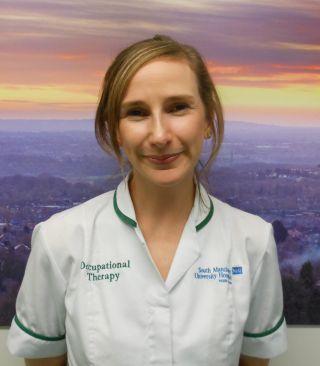
Amy -Transplant Occupational Therapist
Physiotherapy Before and After a Heart or Lung Transplant
Before your transplant (Prehabilitation)
Before a transplant, many patients with heart or lung disease experience fatigue, breathlessness, and muscle weakness. This is sometimes called frailty, and it can make everyday activities harder.
Physiotherapy before surgery focuses on:
· Improving strength and fitness
· Helping you stay as active and independent as possible
· Preparing your body to cope better with surgery
You may be assessed by a physiotherapist who will:
· Measure your strength, balance and mobility
· Get to know you and your abilities better
· Offer personalised exercise advice
· Arrange referrals and support for you to continue prehabilitation closer to home
Even small improvements in activity levels can make a big difference. Research shows that frailty can improve, and doing so can help recovery after transplant.
Immediately after surgery (ICU recovery)
After your transplant, you will usually spend time in the Intensive Care Unit (ICU). At first, you may be attached to machines such as a ventilator, drips, and drains.
Physiotherapy starts as early as possible, often within the first few days.
Early goals include:
· Sitting up in bed
· Supporting you to breathe well and cough effectively
· Moving your arms and legs to prevent too much muscle weakness
· Standing, getting out of bed and taking first steps (when safe)
This stage is carefully managed by a specialist team. Sessions may involve several staff members to ensure your safety, especially if you still have medical equipment attached.
Early movement helps:
· Prevent muscle loss
· Improve breathing
· Reduce complications
· Speed up recovery
Recovery on the ward
As you get stronger, physiotherapy becomes more active and focused on daily life.
You will work towards:
· Walking longer distances
· Climbing stairs
· Washing, dressing, and other daily activities
Therapy is tailored to your goals. For some, this may mean returning to work, driving, or hobbies. For others, it may be about regaining independence at home.
Physiotherapists often work closely with occupational therapists to support safe discharge planning for you and your family.
After you go home (Ongoing recovery)
Recovery continues after you leave hospital. Some patients may need:
· Ongoing exercise programmes
· Advice on managing fatigue and pacing
· Referrals to local exercise schemes to help you meet your goals
· Support to plan return to work or education
Occasionally, patients may need to return to hospital or clinic for specialist support, particularly if they develop breathing or airway issues.
The aim is to help you:
· Stay active
· Avoid complications
· Build confidence in your new life after transplant
---The bigger picture
Physiotherapy is about more than exercise. It helps you:
· Regain strength and independence
· Feel more confident and in control
· Return to the things that matter most in your life
Recovery can take time, and everyone’s journey is different. With the support of your physiotherapy team, family, and wider healthcare staff, you will be guided step by step through this process.